Technology with a purpose · options with limits
Advanced Orthodontic Technology
Choose a treatment tool for the problem it needs to solve. Explore the appliances, digital planning and coordinated care behind advanced orthodontics.
See a related before-and-after case
Your treatment, through your questions
What would you like to understand?
Explore the technology
Different tools for different clinical tasks.
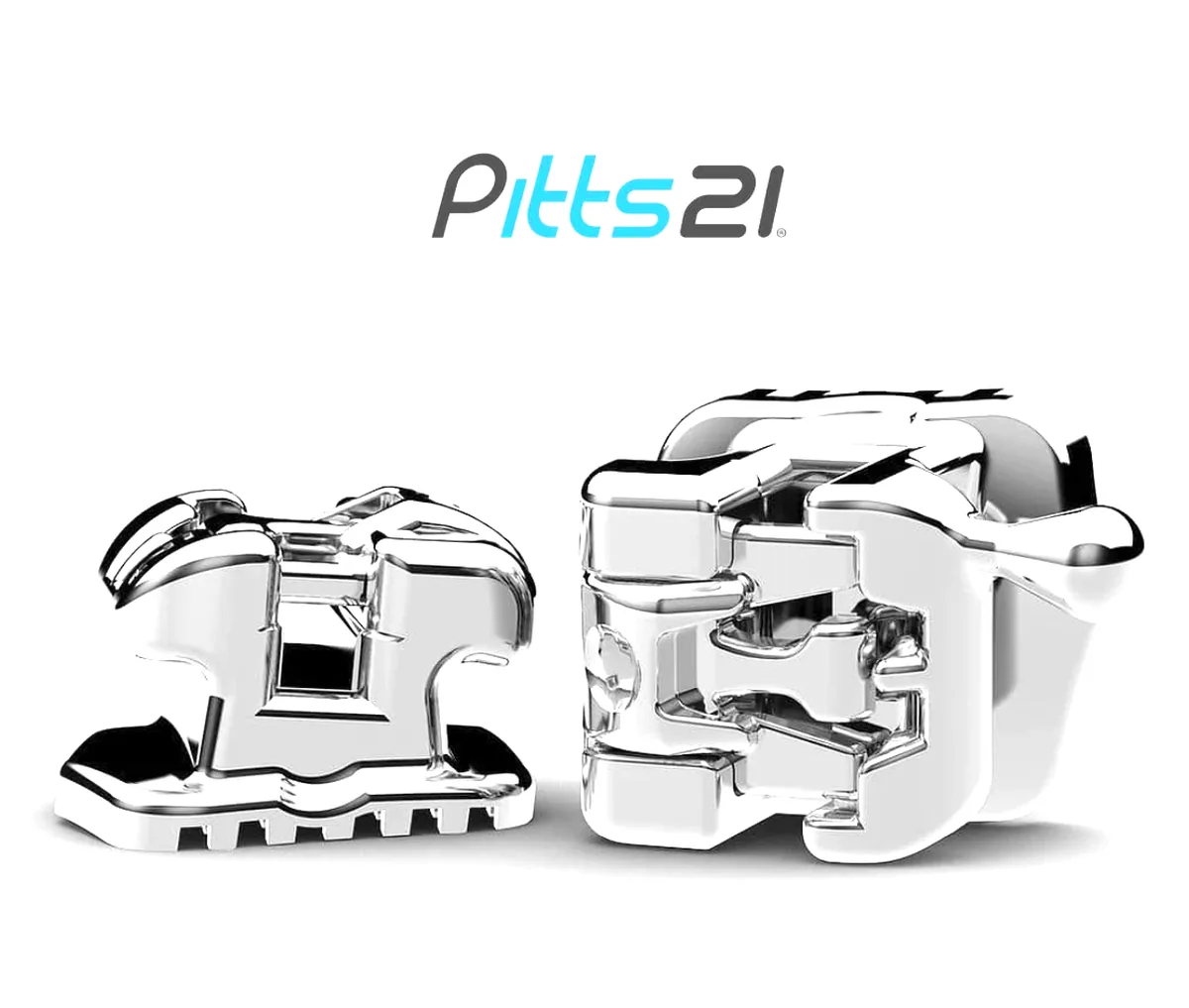
Pitts21 — modern self-ligating braces
What it is: A self-ligating bracket system with a clip that holds the archwire. Bracket design and wire selection are used together to control planned movement; the clip alone does not guarantee faster treatment.
When it helps: Crowded teeth or spacing where controlled arch form matters.
Considerations: Still visible (metal brackets). We use self‑ligating braces in Dubai (Pitts21/Damon) when their mechanics fit your case; speed depends on biology and plan
The thinking behind your treatment
Brava (Brius), Pitts21 & Accelerated Care
Advanced orthodontics in Dubai uses selected appliances and coordinated planning for difficult tooth movements, discreet treatment or preparation for restorative care. Dr. Sree, MDS, Specialist Orthodontist, assesses teens and adults before recommending Brava / BRIUS, Pitts21, clear aligners or another approach. The tool must suit the teeth, bite, gum health and treatment goals; a newer appliance is not automatically a better choice.
Orthodontics since 2010 • 3,000+ cases • Al Rigga, Deira and Barsha Heights (Tecom), Dubai
Advanced options we offer (with honest limits)
Technology is recommended when it has a clear purpose in the treatment plan. We explain the expected benefit, the limitations and suitable alternatives before you decide.
Brava (BRIUS): Fixed Independent Tooth Movers
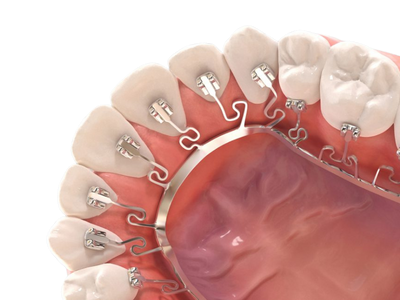
What it is: A fixed appliance behind the teeth, using an anchorage base and individual arms to guide planned tooth movement. It stays in place between visits; it is not a sequence of removable aligner trays.
When it may help: Selected teens or adults who want a behind-the-teeth appliance and whose planned movements are suitable for this system.
Considerations: Tongue comfort, speech adaptation, cleaning and follow-up all matter. The adjustment period varies between patients.
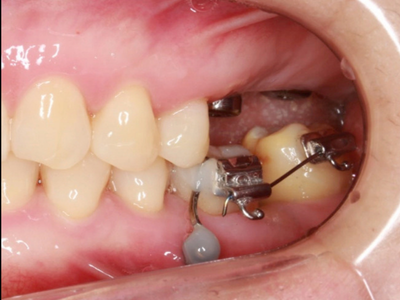
Adjunctive Orthodontics: Setting the Foundation
What it is: Tooth movement coordinated with your restorative dentist before implants, veneers, crowns or bridges, so the planned tooth positions and spaces support the restoration.
When it may help: Uprighting a tilted molar, creating or refining an implant space, or improving tooth positions before a bridge or other restorative work.
Considerations: Gum and bone support, the restorative design and the order of treatment must be agreed before tooth movement begins. Limited treatment still needs retention and follow-up.
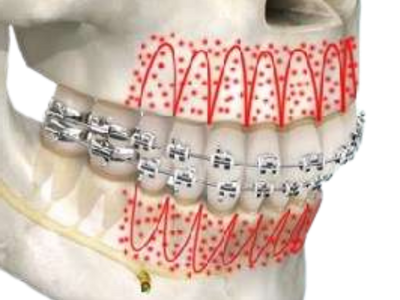
Accelerated Orthodontics — Evidence and Limits
What it is: Additional procedures such as micro-osteoperforations (MOPs) have been studied to try to increase the rate of tooth movement. These involve small perforations in bone and are separate from routine braces or aligner treatment.
When it may be discussed: Only for an individually assessed situation, after considering the evidence, alternatives, risks and additional cost. It is not a routine requirement for orthodontic treatment.
Considerations: It is not clear that MOPs shorten overall treatment or reduce discomfort. If considered, we discuss the potential benefit, risks and additional cost for your case.
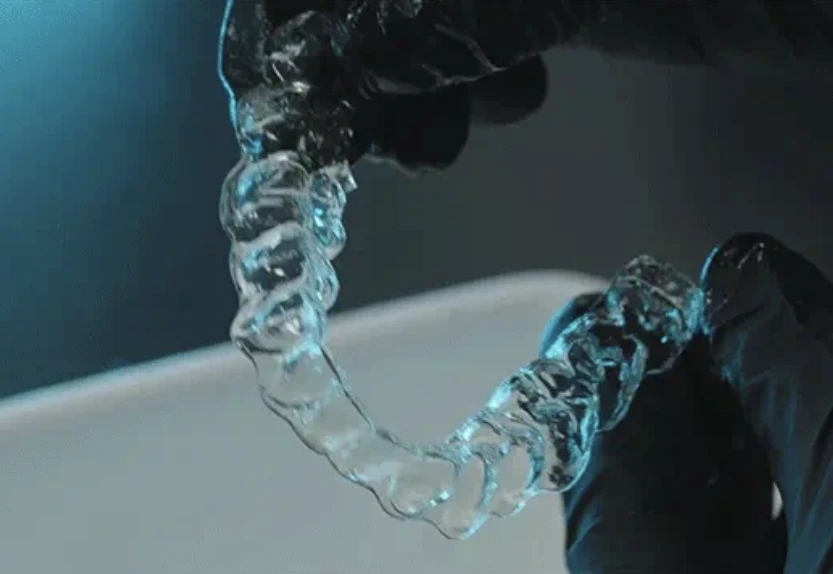
Shape‑Memory Aligners (Advanced Clear Aligners)
What it is: Clear aligners made from materials designed to recover a planned shape, including some directly printed systems. Their force delivery and handling depend on the specific product; different materials should not be treated as interchangeable.
When it may help: Patients whose planned movements are suitable for the selected clear-aligner system and who can follow its wear and care instructions.
Considerations: Follow the prescribed wear schedule and the product-specific instructions. Attachments, IPR or elastics may still be needed. Evidence for newer materials is developing, so material claims alone cannot predict comfort, treatment speed or the final result.
How we choose
Start with the problem the tool needs to solve.
What is the technology trying to help with?
| Tool or approach | Planning purpose | Important question |
|---|---|---|
| Digital scans and records | Understand tooth positions and bite | Which records are needed for my case? |
| Brava / lingual systems | Selected behind-the-teeth treatment | Am I a suitable candidate? |
| Self-ligating brackets | Guide planned fixed-appliance movement | What does this system change for me? |
| Shape-memory aligners | An alternative aligner material/system | What evidence and supervision support my plan? |
| Adjunctive orthodontics | Coordinate tooth movement with restorative care | How will my clinicians work together? |
Your examination and records determine which options are appropriate.
What makes it “advanced”?
Advanced planning combines a clear diagnosis with appropriate orthodontic mechanics for crowded or crooked teeth, rotations, spacing and complex bite problems. Familiar options—metal braces, ceramic braces, lingual braces and clear aligners / Invisalign—may still be the best fit. The difference is the planning, sequencing and monitoring needed for your particular case.
Orthodontic treatment varies depending on your diagnosis, biology and goals. Your treatment plan and expected treatment time/treatment duration are finalized after a full orthodontic evaluation (first appointment & records).
A case from Dr. Sree’s practice
Creating space with TAD-supported distalization.
- TAD-supported distalization
- No extractions
- Age 13
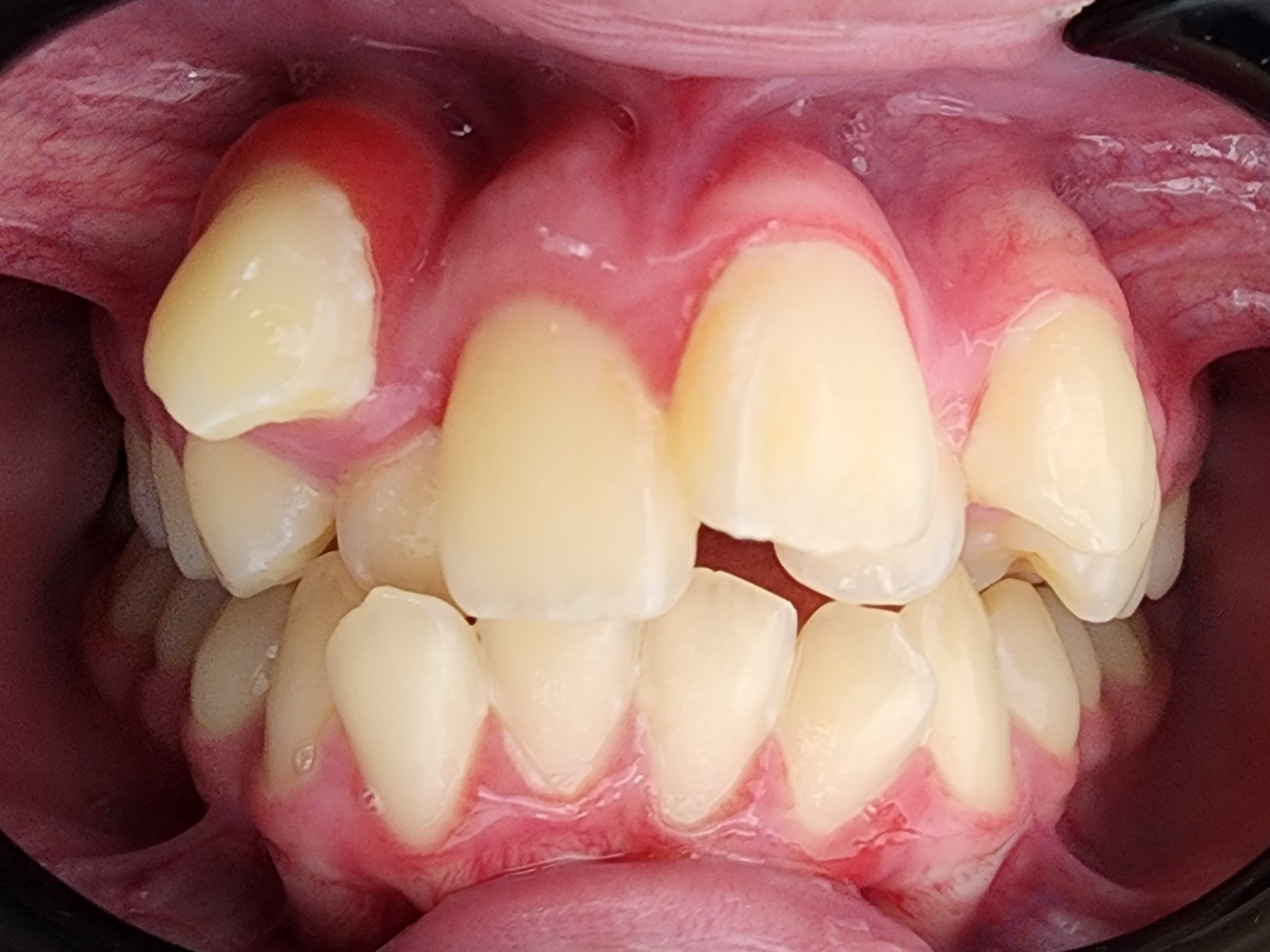
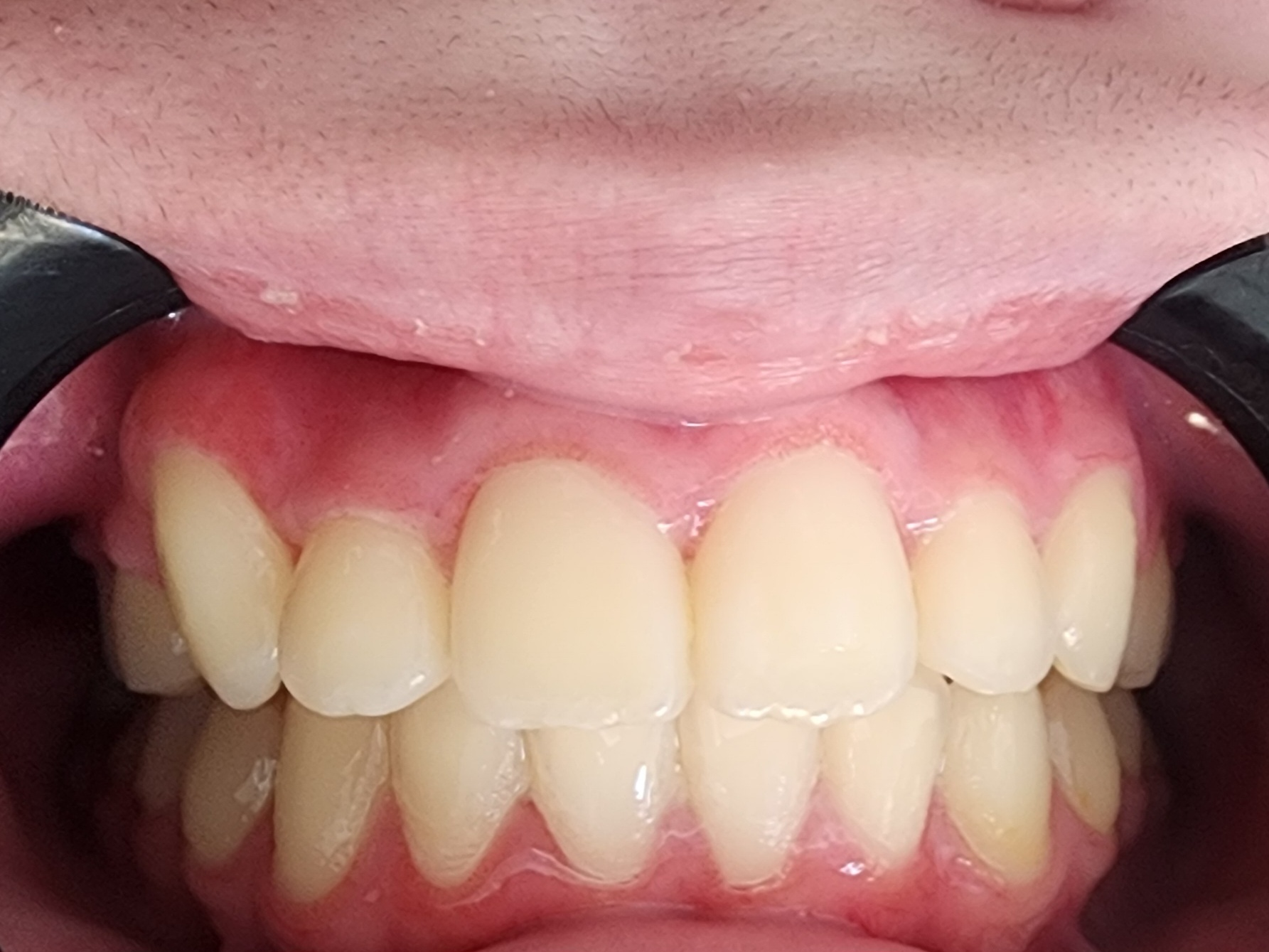
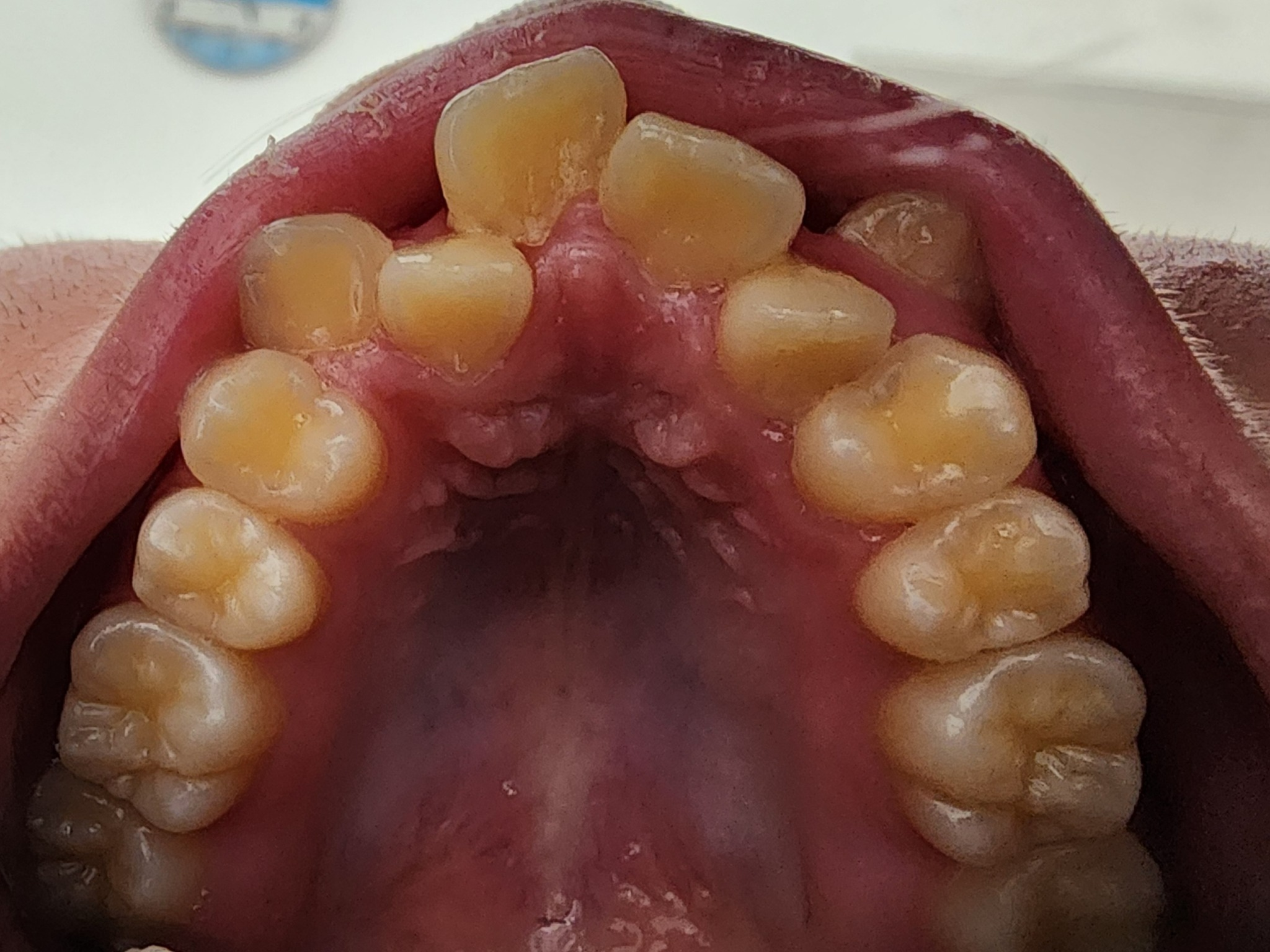
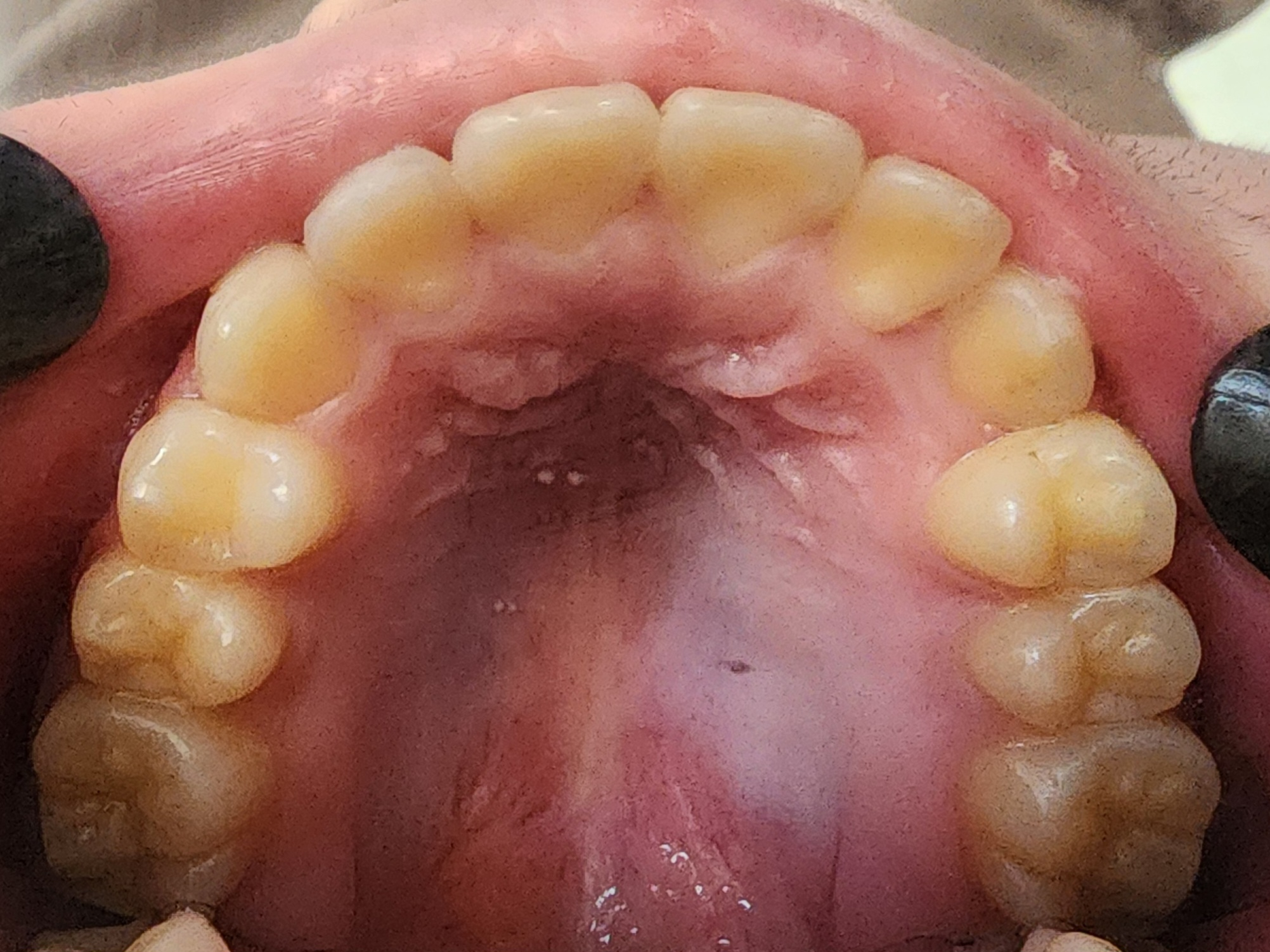
- The concern
- Crowding in a 13-year-old patient, assessed for a non-extraction approach.
- The approach
- Temporary anchorage devices supported posterior distalization: moving back teeth backwards to create space.
- What changed
- Matched front and upper-arch records show the change in alignment after space was created.
The published record does not specify an appliance brand or treatment duration. Non-extraction treatment is suitable only when the diagnosis supports it. Individual outcomes vary.
Who benefits from advanced orthodontics?
You want discreet options (behind‑the‑teeth lingual braces or virtually invisible aligners) that fit daily life.
You have misaligned teeth or spacing issues that need independent tooth control.
You need tooth positioning before cosmetic dentistry with your dentist (implants, veneers, bridges).
You need coordination between orthodontic care and another dental specialist, or a review of a difficult treatment plan. A growing child with early bite concerns should begin with an age-appropriate orthodontic assessment.
Compare core appliances (when they’re still best):
Traditional metal braces / traditional braces — excellent control for rotations/vertical mechanics; strong all‑rounders.
Ceramic braces / clear braces — tooth‑coloured, lower‑visibility labial option.
Lingual braces — hidden from view; higher hygiene demands.
Clear aligners / Invisalign — removable for meals and cleaning; require consistent prescribed wear.
Risks & limitations (balanced)
All orthodontics can cause short‑term tenderness or ulcers
poor hygiene increases decalcification risk.
Complex orthodontic problems sometimes respond best to traditional metal workflows.
Accelerated orthodontics is not guaranteed to reduce total treatment time.
We explain the indications, limitations and retention plan. Maintaining the result depends on follow-up, appliance care and long-term retention.
Process & daily care
Know what to expect beyond the technology.
Your process with us
1. First appointment & records — photos, 3D scan, OPG/ceph only if indicated (ALARA).
2. Diagnosis & written treatment plan — appliance selection (Brava/lingual, self ligating braces, clear aligners, traditional metal braces or ceramic braces), estimated treatment duration, visit cadence and fees.
3. Active treatment — appliance fitted; regular visits to monitor tracking, comfort and hygiene.
4. Retention — fixed and/or removable retainers to maintain your new smile and desired position long‑term.
Read the full explanation
Bring your questions to a consultation with Dr. Sree so the options can be discussed in the context of your bite and goals.
Costs & payments: See Orthodontic Treatment Cost in Dubai ranges. Monthly installments available (subject to eligibility). Free consultation to confirm your plan.

Hygiene & daily life
With labial braces, brush after meals and thread floss under the arch wire to reduce plaque build up and white‑spot risk; avoid hard, sticky or chewy foods.
With clear aligners/Invisalign, remove to eat, clean trays daily, and wear as prescribed to straighten predictably. Their discreet appearance lets you smile confidently throughout your treatment.
Lingual appliances sit behind the teeth and are less visible from the front. They require careful cleaning, and tongue comfort or speech may take time to adapt.
Your next steps, made simple.
Define
Identify the problem and treatment goals.
Match
Select a tool with a clinical reason.
Verify
Monitor progress, risks and limitations.
Your questions
Clear answers to your questions.
FAQs
How does advanced care differ from regular orthodontics?
It may involve specialized mechanics, selected appliance systems or coordination with restorative care. The key question is what the additional approach would change for your diagnosis; newer technology is not automatically necessary.
Are self ligating braces faster than conventional?
Not consistently in high‑quality trials. We still use self‑ligating when its mechanics suit your case; outcomes depend more on diagnosis, wires and hygiene than branding.
Read the full explanation
Do accelerated methods work for everyone?
No. Evidence for procedures such as micro-osteoperforations is mixed, and short-term movement changes do not guarantee a shorter overall course. Any proposed additional procedure needs an individual discussion of benefit, risk and cost.
What age is best for evaluation?
The AAO advises a first orthodontic evaluation by age 7; adults can start anytime with healthy gums and bone.
How long will I wear retainers?
Retention is lifelong; we’ll specify fixed and/or removable retainers and review at regular visits to help you maintain results.
Written by: Dr. Sree, Specialist Orthodontist (MDS) — 15+ years, 3,000+ cases .
Appointment locations: Al Rigga, Deira and Barsha Heights (Tecom), Dubai. WhatsApp: +971 58 596 3637.
Ready to explore advanced options?
Specialist options