Removable treatment · a planned daily routine
Clear Aligners in Dubai
Clear trays are the visible part. Your diagnosis, daily wear and progress reviews are what turn them into an individual treatment plan.
See a related before-and-after case
Your treatment, through your questions
What would you like to understand?
Could they suit me?
Start with your bite, age and treatment goals.

Crowding
Mild to moderate crowding can often be improved with aligners when space is planned properly.
Who Is Suitable for Clear Aligners?
CLINICAL CAPABILITIES
Suitability depends on both the tooth movements and the daily wear routine.
Suitable cases may include crowding, spacing, relapse after previous treatment and selected deep-bite, overjet or crossbite corrections. Gum health, the supporting bone and willingness to wear the trays consistently also matter.
Some complex cases can use aligners, while difficult root movements, impacted teeth or substantial bite changes may need fixed braces or combined mechanics. Suitability is assessed individually.
A proper assessment is essential before starting.
Clear Aligners for Teenagers in Dubai
GROWTH & TIMING
Clear aligners can work well for selected teenagers, but only when the teen can wear them consistently.
Teen aligners require:
20–22 hours of daily wear
Responsible tray handling
Good oral hygiene
Regular progress checks
Cooperation with elastics if prescribed
Careful monitoring of erupting teeth
For some teenagers, braces may be more predictable, especially when compliance is uncertain or the case requires complex tooth movement.
Clear Aligners for Adults in Dubai
PRECISION & RESTORATION
Many adults prefer clear aligners because they are discreet, removable and easier to manage in professional settings.
Adult clear aligner treatment may be considered for:
Mild to moderate crowding
Spacing
Relapse after previous braces
Smile refinement
Pre-restorative tooth movement before crowns, veneers or implants
Adult treatment requires careful evaluation of gum health, bone support, existing restorations and bite forces.
Clear Aligners for Orthodontic Relapse
RE-TREATMENT
Clear aligners can be helpful for some patients whose teeth shifted after previous braces or aligner treatment.
Relapse may happen because of:
Not wearing retainers
Broken or missing retainers
Growth changes
Bite forces
Gum and bone changes
Natural Aging
Clear aligners may correct minor to moderate relapse, but the cause of relapse should be understood first. Retention planning is especially important in retreatment cases.
What Problems Can Clear Aligners Treat?
CLINICAL FOCUS
Clear aligners may be used for selected cases involving:

Overjet
Some cases of upper front teeth sitting forward can be improved with aligners, depending on severity and cooperation.
Spacing
Gaps between teeth can be closed if the bite and tooth sizes allow stable correction.

Deepbite
Selected deep bite cases may respond to aligners, especially when bite opening and vertical control are carefully planned.
Relapse
Teeth that shifted after previous orthodontic treatment may be realigned in selected cases.

Crossbite
Some crossbites can be managed with aligners, but more complex cases may need braces or additional mechanics.
DIFFERENCE
Clear Aligners vs. Braces
Both braces and clear aligners can produce good results in the right case.
The thinking behind your treatment
Clear aligners are removable transparent trays that guide teeth gradually into planned positions. They offer a discreet alternative to fixed braces when the diagnosis and daily wear requirements support their use.
At Dr. Sree, Specialist Orthodontist, clear aligner treatment in Dubai begins with diagnosis — not just a scan.
The goal is to determine whether aligners are suitable for your teeth, bite, facial goals and long-term stability. Clear aligners can be effective in the right case, but they must be planned carefully.
Compare the options
Understand trays, attachments and alternatives.
Could aligners fit your routine?
| Daily decision | What it means | Discuss at your visit |
|---|---|---|
| Wearing the trays | Follow the prescribed daily wear time | How will work, school and meals fit? |
| Eating and drinking | Remove as instructed; protect teeth and trays | What cleaning routine will I need? |
| Tracking progress | Attend reviews and report fit concerns | Could I need attachments or refinements? |
| Keeping the result | Use your prescribed retainers | What is my long-term retention plan? |
Your examination and records determine which options are appropriate.
Attachments, IPR & Elastics Explained
THE SCIENCE
Many patients think clear aligners are just smooth trays. In reality, successful aligner treatment often needs additional orthodontic features.
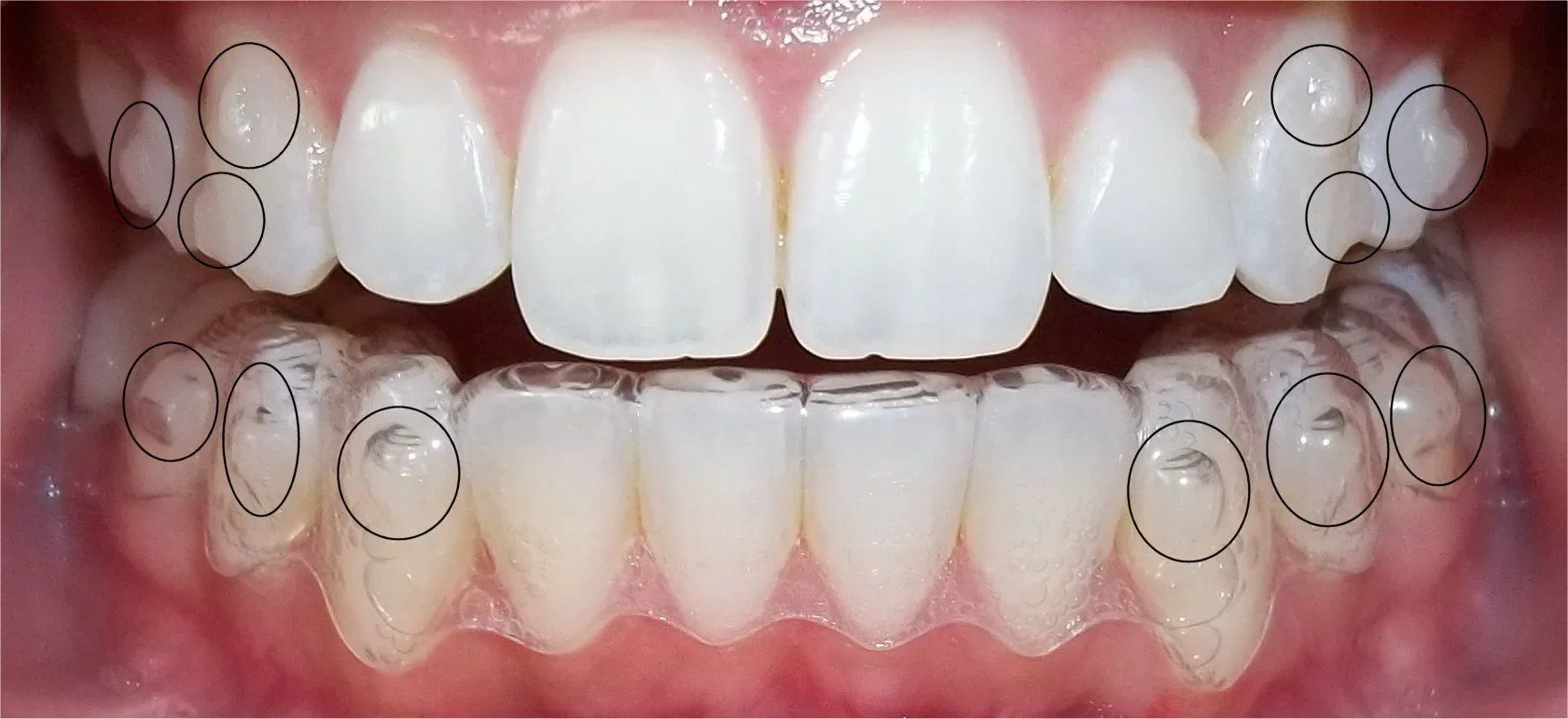
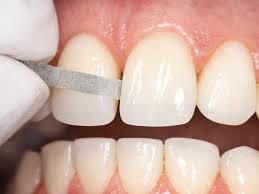
IPR
Interproximal reduction (IPR) removes a carefully planned small amount of enamel between selected teeth to create space. It is not needed for every patient and is discussed before treatment.
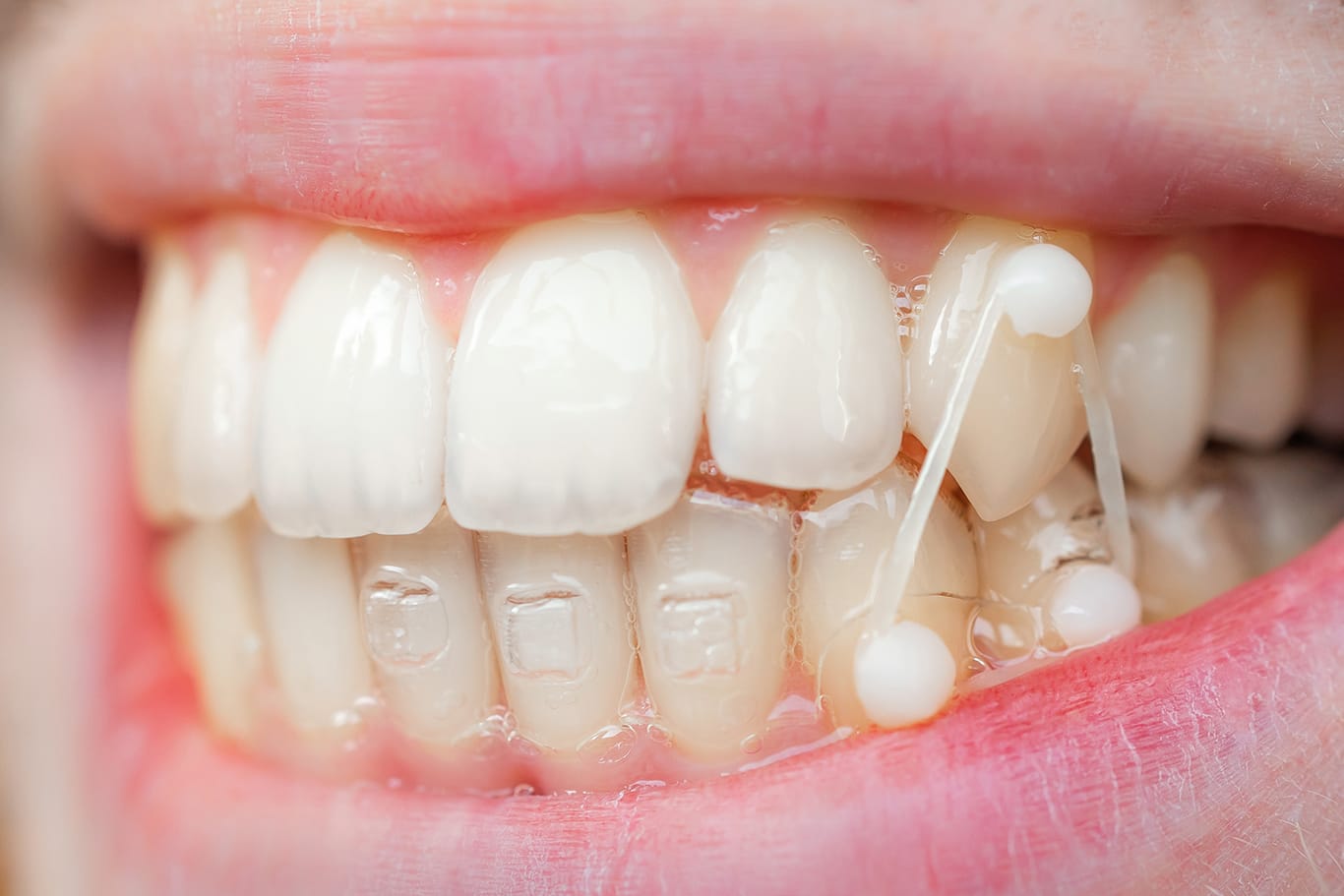
Elastics
Elastics may be prescribed to help coordinate the upper and lower teeth during bite correction. Wear instructions depend on the individual plan.
Attachments, IPR and elastics each have a different purpose. Your plan explains which, if any, are needed.
Clear aligners may be preferred when:
the planned movements are suitable for aligner treatment
the patient prefers a removable option
aesthetics are important
the patient can follow the prescribed wear schedule
attachments, elastics or refinements are acceptable when needed
Braces may be preferred when:
complex movement is required
bite correction is significant
impacted teeth are involved
root control is essential
patient compliance may be difficult
The decision should be based on diagnosis, not trend or appearance alone.
Invisalign Vs Clear Aligners
Invisalign® is one clear aligner system. Clear aligners are the broader category of removable trays used to move teeth.
The most important factor is not only the brand name. It is the diagnosis, treatment planning, movement design, monitoring and retention.
A specialist orthodontist evaluates whether clear aligners are appropriate and which system or method can achieve the treatment goals safely and predictably.
Planning & limits
Look beyond the promise of straight teeth.
Specialist-Led Clear Aligner Planning
BIOMECHANICAL PRECISION
Clear aligner trays apply the forces, while the clinical plan determines which movements are attempted and how they are monitored. Treatment depends on:
Diagnosis
Tooth movement planning
Root position
Bite relationship
Attachment design
IPR planning when needed
Elastic use when required
Patient compliance
Finishing and retention
Diagnosis Comes Before Aligners
EXCELLENCE IN PLANNING
Before recommending clear aligners, Dr. Sree evaluates:
Tooth alignment, Crowding & Spacing
Facial profile, Smile arc & Lip support
Bite relationship & Gum and bone support
Root position & Long-term retention needs
Previous orthodontic history
This helps identify whether aligners, fixed braces or a combined approach offer appropriate control for the planned movements.
Digital simulations show a proposed plan; they are not a guarantee of how each tooth will respond.
Facially Driven Clear Aligner Planning
Clear aligner treatment should not focus only on straight teeth.
A facially driven approach considers:
lip support
smile arc
profile harmony
tooth display
bite relationship
long-term stability
Tooth movement can affect lip support and the way the smile is displayed. The goal is to plan changes within the limits of the teeth, gums and supporting bone.
Can Clear Aligners Help Complex Cases?
Some complex cases may be treated with aligners, but not all.
Complex aligner cases may involve:
significant bite correction
relapse after previous treatment
deep bite & crossbite
overjet & missing teeth
gum and bone limitations
facial imbalance
need for elastics or staged treatment
In some cases, braces or a combined approach may be more predictable.
A case from Dr. Sree’s practice
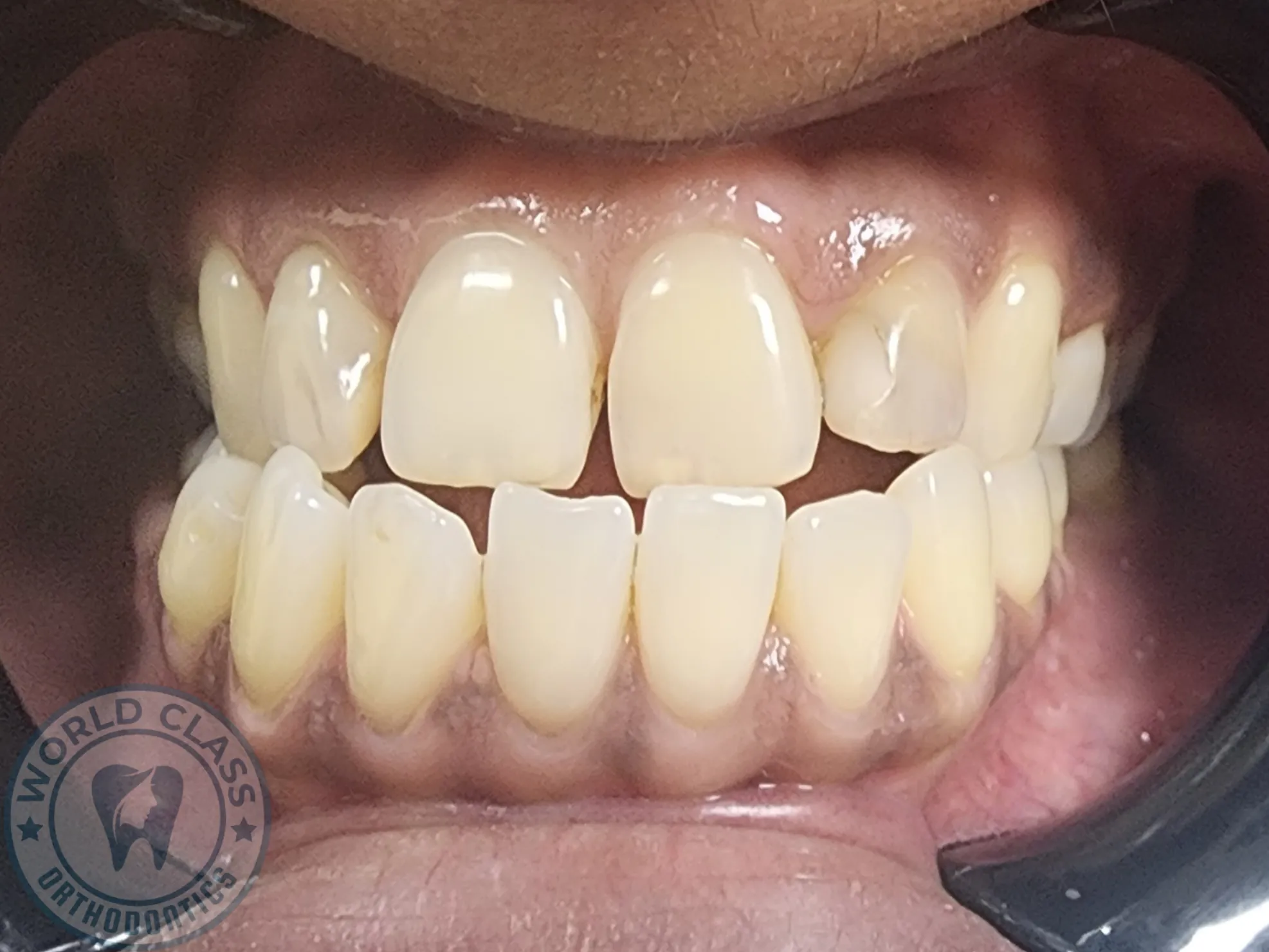
A Class III case treated with Invisalign.
- Invisalign aligners
- Two extractions
- Age 35
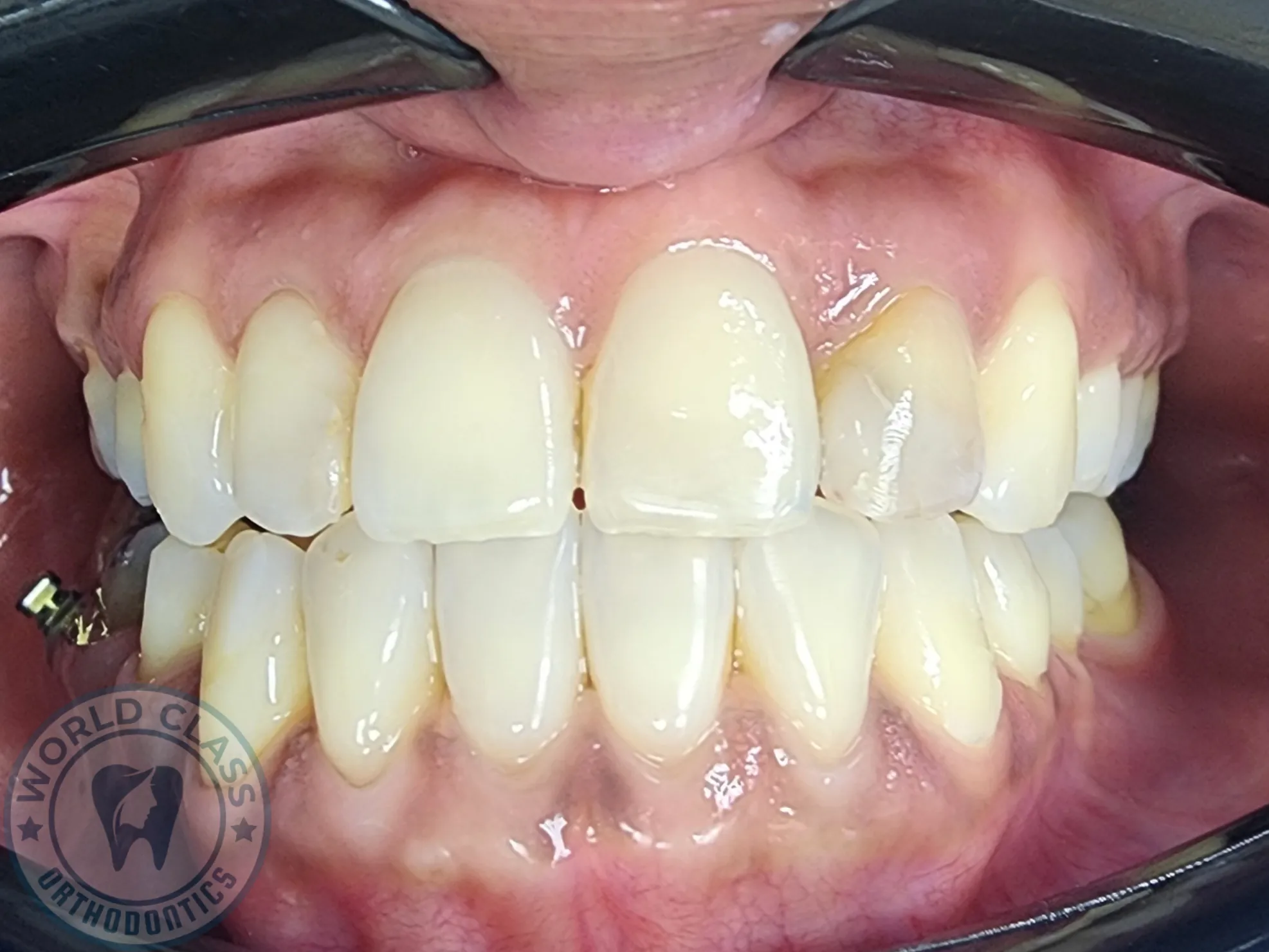
- The concern
- A 35-year-old adult with a Class III bite relationship.
- The approach
- Invisalign aligners with two teeth extracted; the published course took 18 months.
- What changed
- The paired frontal bite records show the tooth alignment and how the front teeth meet before and after treatment.
This was an individually selected extraction case. It does not establish suitability for every Class III bite or every aligner system. Individual outcomes vary.
Can Clear Aligners Help a Gummy Smile?
In selected cases, clear aligners may help improve gummy smile when the cause is related to tooth position, deep bite or vertical dental imbalance.
However, gummy smile correction can be complex. Some cases require braces, TAD-supported mechanics or broader orthodontic planning.
Choosing Clear Aligners Safely: Best, Fastest and Guaranteed Claims Explained
Patients often search for the “best,” “fastest” or “painless” clear aligners. These are understandable questions, but orthodontic treatment should be judged safely and realistically.
How do I choose the best clear aligner treatment in Dubai?
The best clear aligner treatment is not decided by brand name alone. It depends on diagnosis, bite complexity, root movement needs, facial goals, compliance and specialist planning.
What is the fastest safe way to straighten teeth with aligners?
The fastest safe timeline depends on tooth movement biology, bone support, case complexity and wear time. Moving teeth too aggressively can increase risks, so speed should not compromise stability.
Are clear aligners painless?
Clear aligners are generally comfortable, but mild pressure or soreness is normal when teeth begin moving. Any treatment that moves teeth may cause temporary discomfort.
What if an aligner does not fit properly?
Contact Dr. Sree if an aligner does not seat, cracks or stops fitting as expected. Do not skip ahead or change the wear schedule without advice; the tooth movement and tray fit may need checking.
Are clear aligner results guaranteed?
No orthodontic treatment can guarantee identical results for every patient. Results depend on diagnosis, biology, complexity, wear time, monitoring and retention.
Treatment journey
See the route from records to retention.
What to Expect During Clear Aligner Treatment
THE PROCESS
01
Specialist Evaluation
Dr. Sree evaluates your teeth, bite, smile, facial balance and treatment goals.
02

Records and Diagnosis
Digital scans, photographs and radiographs may be recommended when clinically needed.
03
Treatment Planning
A customized aligner plan is created based on tooth movement, bite goals and retention needs.
04
Aligner Delivery
You receive a sequence of clear aligners with instructions on wear time and care.
05
Progress Monitoring
Tooth movement is checked to make sure the aligners are tracking correctly.
06
Refinement if Needed
Some cases may need refinement aligners to improve final details.
07
Retention
Retainers are used after treatment to maintain the result.
Start Your Smile Transformation
DURATION
CARE
How Long Do Clear Aligners Take?
STABILITY
Clear aligner treatment time depends on:
crowding severity
spacing
bite correction needs
number of aligners
wear time compliance
case complexity
refinements if needed
Some minor cases may be shorter, while complex cases may take longer. A realistic estimate is given after diagnosis and treatment planning.
Start With a Specialist Clear Aligner Evaluation
TAKE THE NEXT STEP
Clear aligners can be an excellent option when they are properly planned for the right case.
If you are considering clear aligners in Dubai, a consultation with Dr. Sree, Specialist Orthodontist can help determine whether aligners are suitable for your teeth, bite, facial goals and long-term stability.
Your next steps, made simple.
Scan
Record your teeth and bite.
Plan
Agree the movements and any supporting steps.
Review
Check fit, progress and finishing.
Daily life & care
Work treatment into your daily routine.
Eating, Cleaning and Daily Life With Clear Aligners
Clear aligners are removable, but they require discipline.
Patients should:
Wear aligners for the prescribed hours each day.
Remove them for meals and drinks other than plain water.
Clean your teeth before reinserting and clean the trays as instructed.
Avoid hot water or drinks that may distort the trays.
Store them safely when removed.
Report fit problems and do not skip trays without advice.
Good compliance is essential for predictable treatment.
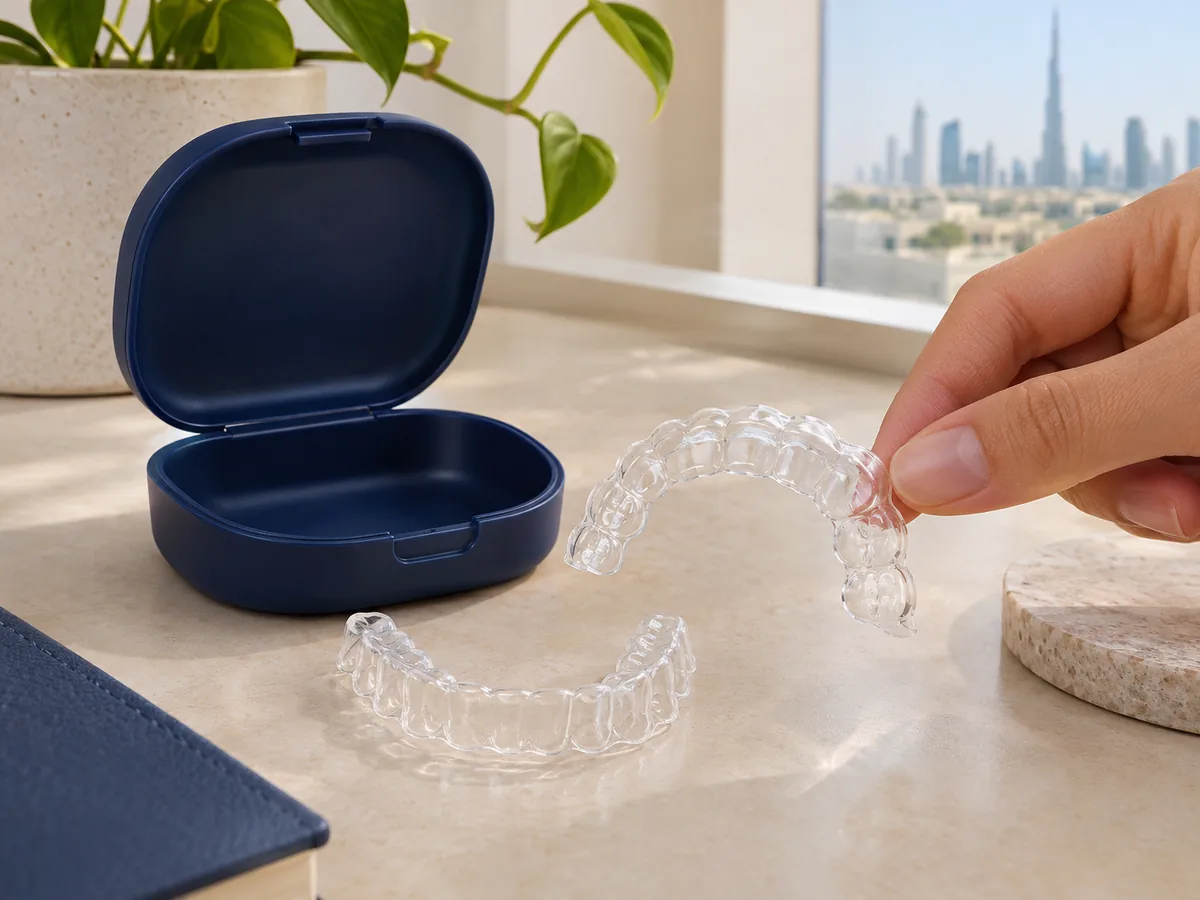
Retainers After Clear Aligners
Clear aligner treatment does not end with the last tray.
Teeth can shift again due to growth, habits, bite forces and natural aging. Retainers help maintain the result and reduce relapse risk.
Retention may include:
removable retainers
fixed retainers in selected cases
long-term wear instructions
follow-up checks
Retention is part of the treatment plan from the beginning.
Why Choose Dr. Sree for Clear Aligners in Dubai?
Read the full explanation
Dr. Sree is a Specialist Orthodontist with clinical experience in orthodontic treatment since 2010.
His clear aligner planning focuses on:
Diagnosis, planned tooth and root movements, attachment and IPR decisions, bite coordination, wear-time support, monitoring, refinements and long-term retention.
The treatment goal is not simply straighter teeth. It is a stable, functional and natural-looking smile.
Your questions
Clear answers to your questions.
Are clear aligners suitable for everyone?
PATIENT INFORMATION
Frequently Asked Questions
No. Suitability depends on the planned movements, bite, gum and bone health, and ability to follow the wear schedule. Some complex cases can use aligners; others need fixed braces or combined mechanics.
Are clear aligners better than braces?
Not always. Clear aligners are discreet and removable, but braces may offer better control for complex tooth movement or significant bite correction.
Can clear aligners fix crowded teeth?
Clear aligners can correct mild to moderate crowding in many cases. Severe crowding may need braces, expansion, IPR or a combined approach.
Can clear aligners fix relapse after braces?
In selected cases, yes. Clear aligners can help realign teeth that shifted after previous orthodontic treatment, but retention planning is essential.
How many hours should I wear clear aligners?
Most clear aligner treatments require 20–22 hours of daily wear. Poor wear time can delay treatment or affect results.
How long does clear aligner treatment take?
Timing depends on the movements, bite correction, response to treatment and consistent wear. Limited corrections may be shorter than comprehensive treatment; refinements or complex movements can extend the course. Dr. Sree gives an individual estimate after assessment.
Do clear aligners affect speech?
Some patients notice a temporary lisp when starting aligners. Most adapt within a short time.
Can teenagers use clear aligners?
Yes, selected teenagers can use clear aligners if they are responsible with wear time, hygiene and follow-up.
What are attachments in clear aligner treatment?
Attachments are small tooth-colored shapes placed on teeth to help aligners grip and move teeth more effectively.
What should I understand before agreeing to IPR?
IPR is a limited, irreversible removal of enamel between selected teeth. Dr. Sree explains the amount proposed, why space is needed and suitable alternatives. It should be planned and carried out conservatively for the individual teeth.
Do I need retainers after clear aligners?
Yes. Retainers are necessary after clear aligner treatment to help maintain the result and reduce relapse risk.
Specialist options