Compare your options · understand your bite
Specialist Braces Treatment in Dubai
Start with what you want to change. Compare the appliances, see how treatment works, and understand the plan behind a straighter smile.
See a related before-and-after case
Your treatment, through your questions
What would you like to understand?
Compare braces
Look at the appliance. Understand the differences.
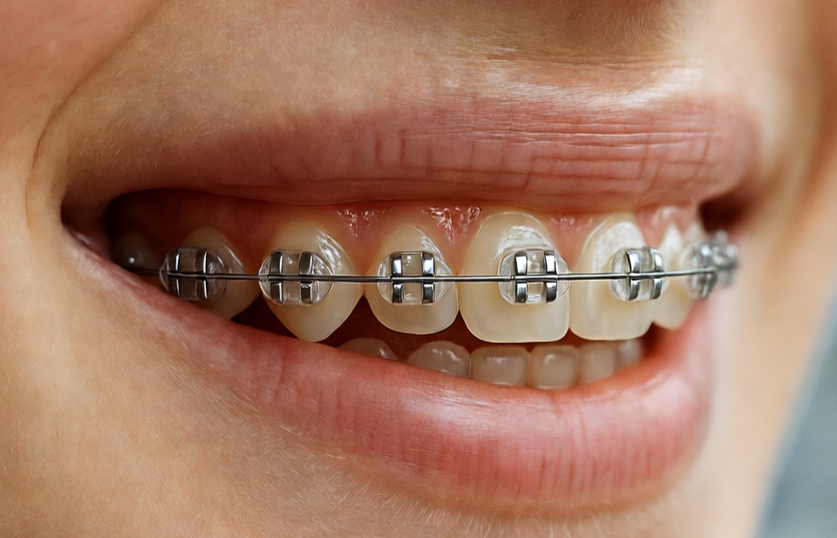
Metal Braces
Metal bracesare strong, reliable and effective for a wide range of orthodontic cases. They are commonly used for teenagers and adults who need predictable tooth movement and bite correction.
A case from Dr. Sree’s practice
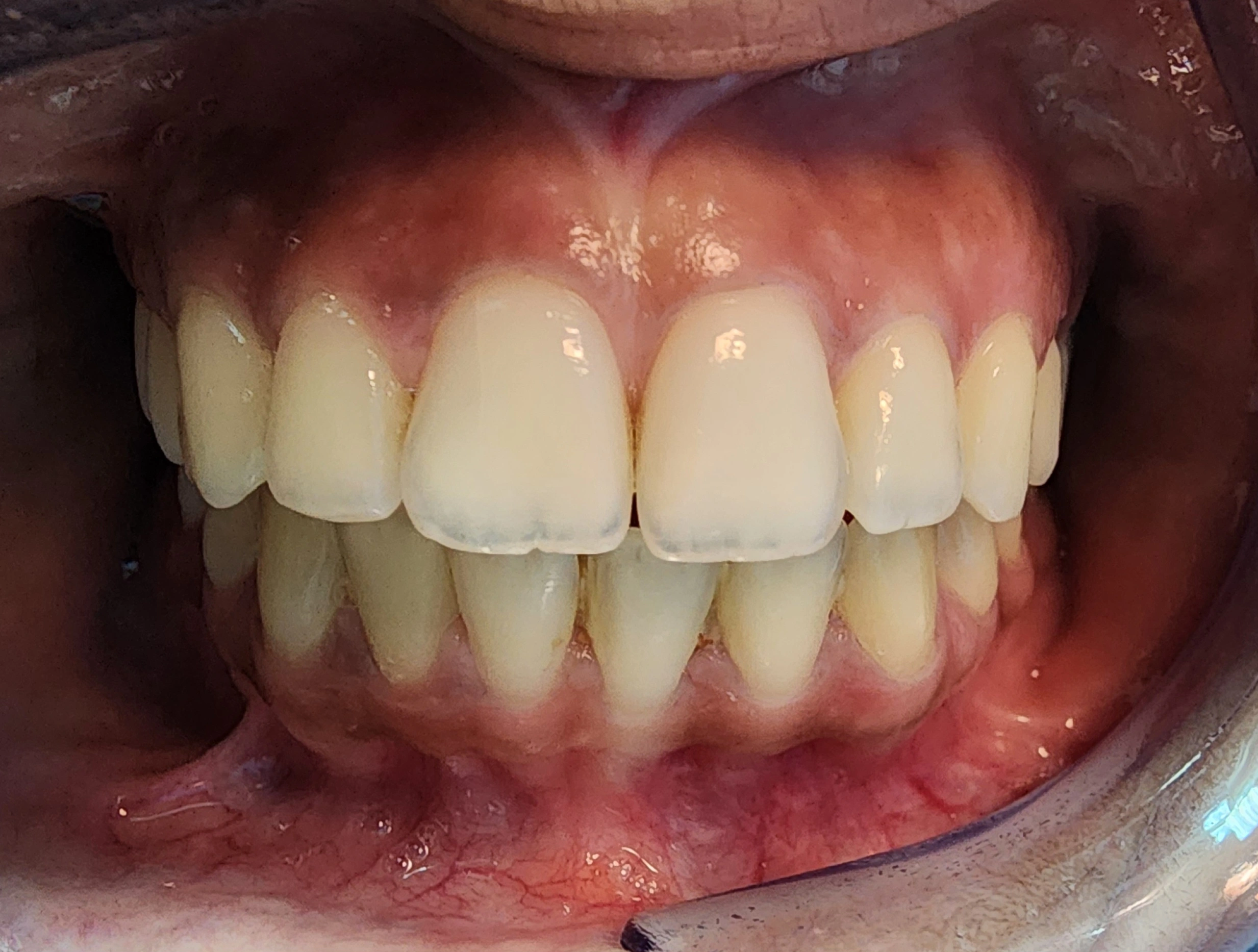
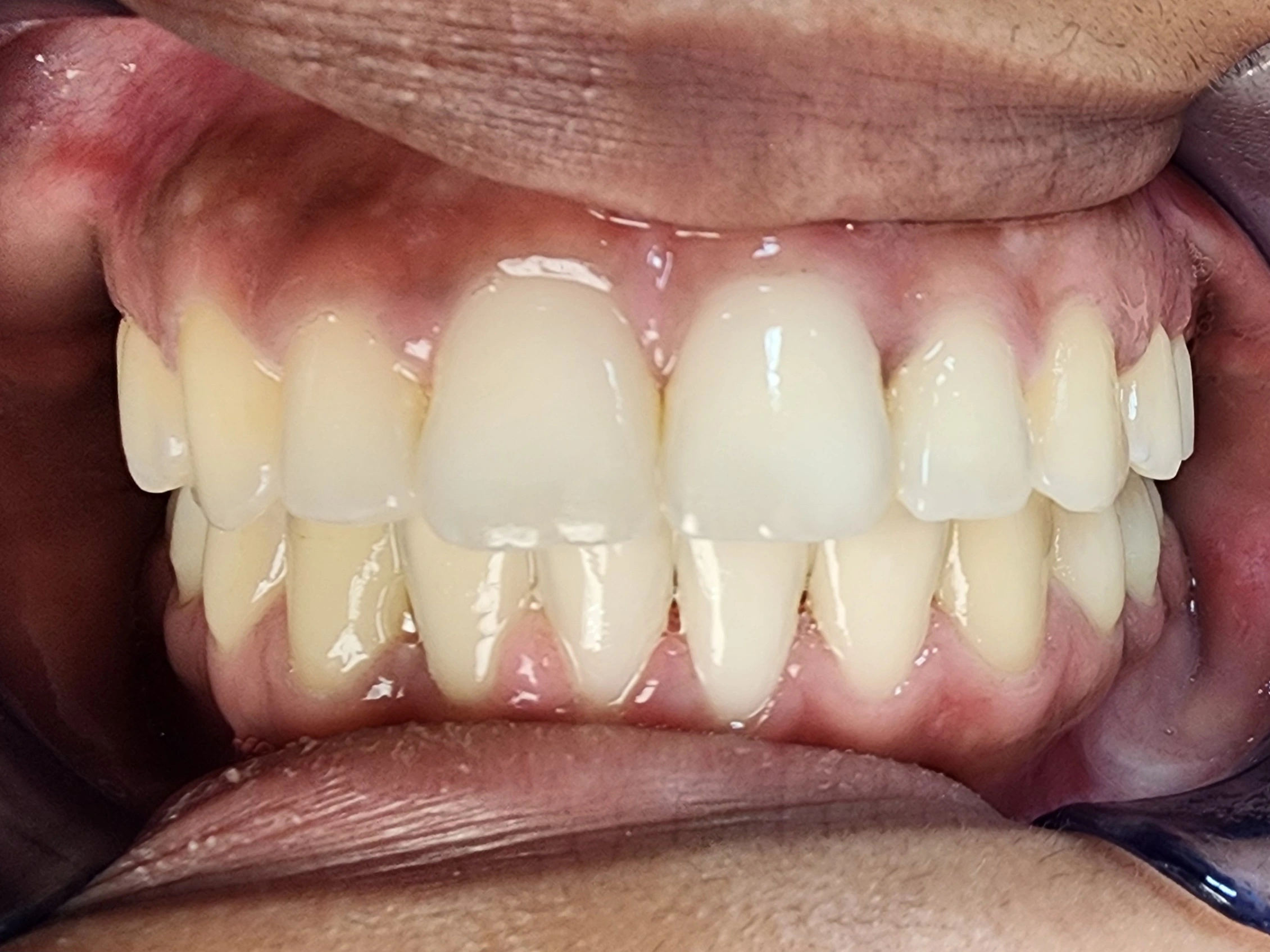
Metal braces: a midline and overjet case.
- Metal braces
- No extractions
- Age 18
- The concern
- An 18-year-old patient with a shifted dental midline and prominent front teeth.
- The approach
- Metal braces without extractions; the published course took 13 months.
- What changed
- Matched frontal records show the alignment and front-tooth relationship before and after treatment.
Photographs show this patient’s result. The movements and treatment time needed for another patient may differ. Individual outcomes vary.
Different appliances. Different practical choices.
| Option | What you see | What to consider |
|---|---|---|
| Metal braces | Metal brackets and wire | Visibility, cleaning and treatment needs |
| Ceramic braces | Tooth-coloured brackets | Discretion, care and suitability |
| Self-ligating braces | Brackets with a wire-retaining clip | System choice, fee and movement plan |
| Clear aligners | Removable transparent trays | Wear time, attachments and suitability |
Your examination and records determine which options are appropriate.
Types of Braces Available
APPLIANCES
Different braces options may be considered depending on age, case complexity, aesthetics and treatment goals.
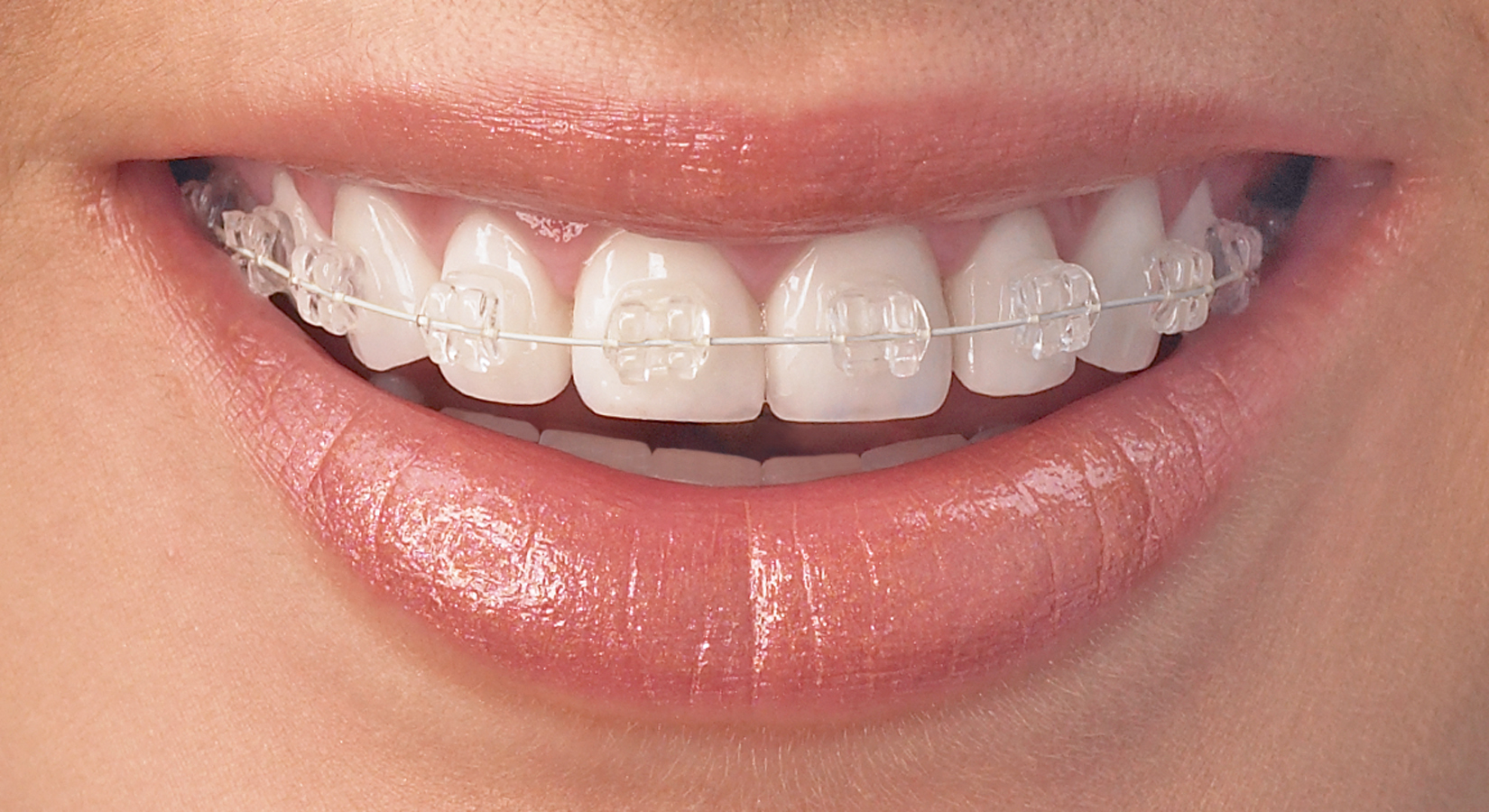
Ceramic Braces
Ceramic bracesare less visible than metal braces and may be preferred by patients who want a more discreet fixed option. They can be suitable for selected teen and adult cases.
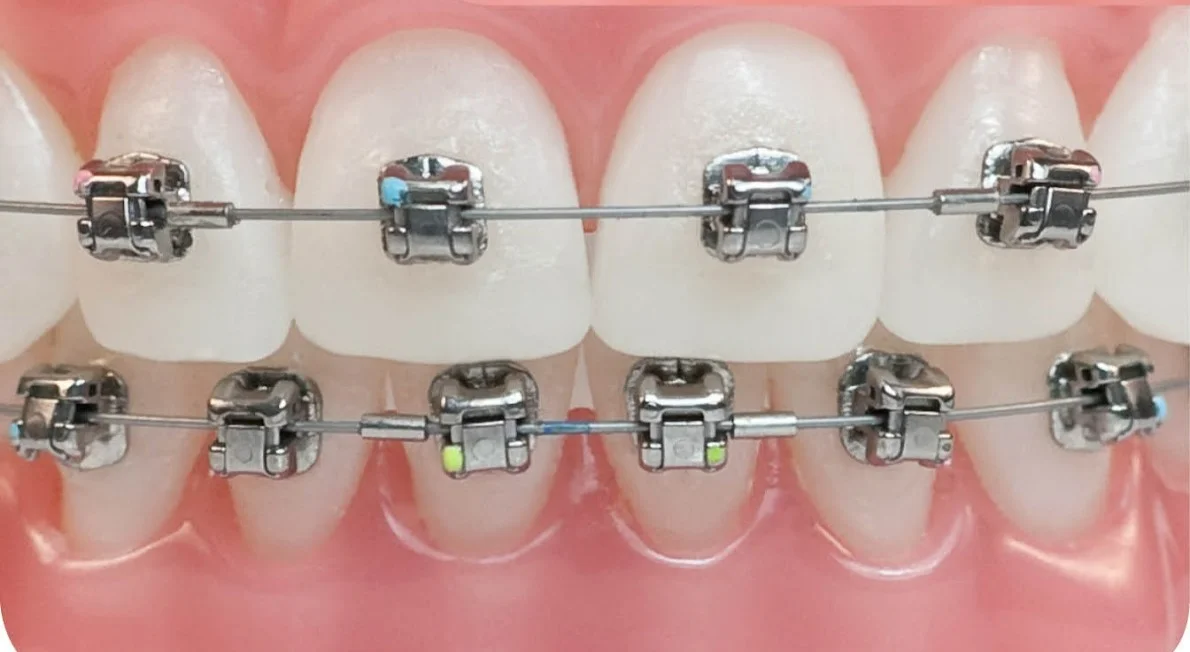
Self-Ligating Braces
Self-ligating braces use a built-in clip or slide to hold the archwire instead of elastic ties. They can be suitable for many treatment plans, but the mechanism alone does not guarantee faster treatment, less discomfort or better results.
The best braces type depends on diagnosis, not only appearance.
A case from Dr. Sree’s practice
A teenager’s crowding, before and after.
- Self-ligating braces
- No extractions
- Age 13
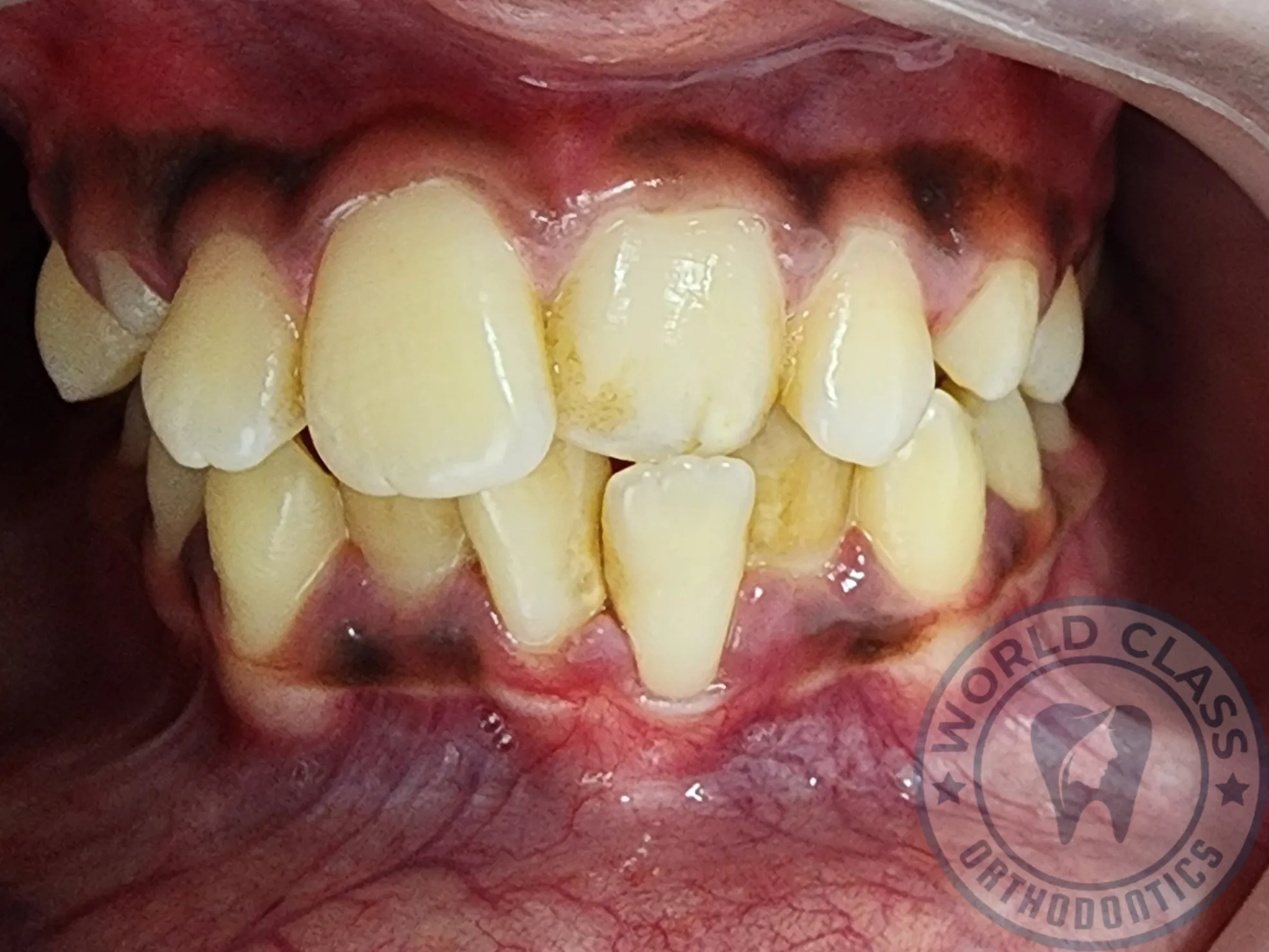
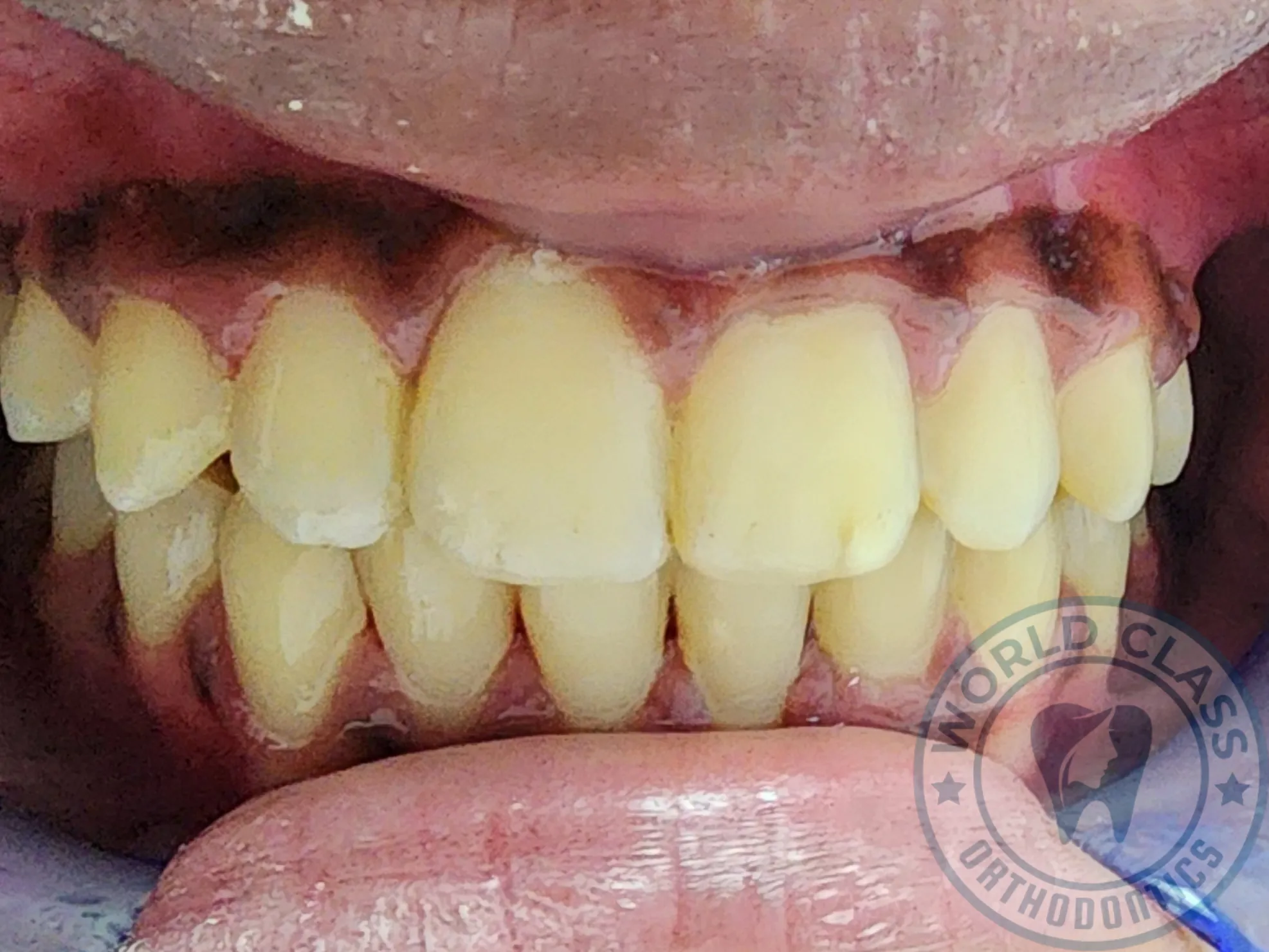
- The concern
- Crowded teeth in a 13-year-old patient.
- The approach
- Self-ligating braces without extractions; the published course took 16 months.
- What changed
- The paired frontal bite records show the change in tooth alignment.
No bracket brand is specified in this record. The case illustrates self-ligating treatment, not a particular branded system. Individual outcomes vary.
When fixed braces may offer useful control
Large rotations or difficult root movements
Significant bite or vertical correction
Movement of impacted teeth as part of a coordinated plan
Cases needing additional appliances or staged mechanics
When consistent removable-aligner wear would be difficult
When clear aligners may be a suitable alternative
A treatment plan with movements that can be managed predictably with aligners
Willingness to wear the trays for the prescribed hours
A preference for removing trays for meals and cleaning
Acceptance of attachments, elastics or refinements when needed
The decision should be based on diagnosis, not trend or appearance alone.
The thinking behind your treatment
Braces are one of the most reliable orthodontic treatment options for correcting crowded teeth, spacing, bite problems, deep bite, overjet, crossbite, midline shift and complex tooth movement. At Dr. Sree, Specialist Orthodontist, braces treatment in Dubai is planned after a clear diagnosis of the teeth, bite, jaw relationship, facial profile and long-term retention needs.
The goal is not only straight teeth. A good braces plan should also support bite function, root control, smile balance and stability after treatment.
Bite concerns
What are the teeth and bite asking us to correct?
Beyond Straight Teeth: Braces for Bite Correction
CLINICAL FOCUS
Braces may help correct the following bite problems. The treatment needed depends on whether the cause involves tooth position, jaw growth or both.

Deep Bite
When upper front teeth cover too much of the lower teeth.

Open Bite
When some upper and lower teeth do not touch when biting together, often at the front.

Overjet
When the upper front teeth sit farther ahead of the lower front teeth than expected.
Class II or Class III Patterns
When the upper and lower teeth or jaws meet in a forward or backward relationship. Tooth movement, growth guidance or other treatment may be considered after assessment.

Crossbite
When one or more upper teeth bite inside the lower teeth; the position and cause determine treatment.
Bite correction aims to improve how the teeth meet and distribute forces. It is not, by itself, a treatment or prevention guarantee for jaw-joint pain.
Braces for Complex Orthodontic Cases
COMPLEX CASES
Some braces cases require more advanced specialist planning.
This may include:
severe crowding
impacted canines
facial or dental midline shift
deep bite with gum trauma
gummy smile with vertical excess
These cases often need careful biomechanics, digital records, staged planning and detailed finishing.
relapse after previous braces
uncontrolled tipping from previous treatment
root torque problems
extraction space issues
complex bite correction
Explore complex orthodontic treatment
DIFFERENCE
Braces Vs Aligners
Both braces and clear aligners can be effective when used for the right case.
Can Braces Help a Gummy Smile?
In selected cases, yes.
If a gummy smile is related to tooth position, deep bite or vertical dental imbalance, braces may help reduce excessive gum display through controlled tooth movement.
Some cases may also require TAD-supported mechanics for better vertical control.
Your treatment plan
The diagnosis comes before the appliance.
Precision Orthodontics for Teens and Adults
INDICATIONS
Braces can be used for teenagers and adults when precise control of tooth movement is needed. For many patients, braces provide the control needed to correct both alignment and bite function.
They may be especially useful for:
Crowding, Spacing & Rotations
Open bite & Deep bite
Large overjet & Cross bite
Impacted teeth
Bite Corrections
Complex orthodontic mechanics
Diagnosis Comes Before Braces
DIAGNOSIS
Braces are an appliance. The treatment plan behind them is what determines the quality of the result.
Before recommending braces, Dr. Sree evaluates:
Tooth alignment & Bite relationship
Facial profile, Smile arc & Lip support
Jaw relationship & Gum and bone support
Root position & Long-term retention needs
The plan considers how the upper and lower teeth will meet after alignment and how the result will be retained.
Why Choose a Specialist Orthodontist for Braces?
CLINICAL STANDARDS
Braces are often seen as simple brackets and wires, but orthodontic treatment involves biological tooth movement through bone.
A specialist orthodontist evaluates more than the visible crowns of the teeth. Proper braces planning also considers root position, bite forces, jaw relationship, facial balance and long-term stability.
This is especially important in cases involving deep bite, overjet, crossbite, impacted teeth, gummy smile, relapse or facial imbalance.
How to Choose the Best Braces Doctor in Dubai
When patients search for the best braces in Dubai, the right choice should not be based only on bracket type, price or speed.
A good braces consultation should explain:
the real orthodontic diagnosis
whether the problem is dental, skeletal or growth-related
whether braces are better than clear aligners for your case
how the bite, roots and facial profile will be affected
whether extractions, elastics, TADs or expansion may be needed
how the final result will be retained
The best braces plan for your case matches the diagnosis, treatment goals and limits of the supporting gums and bone. Root position, bite correction, smile balance and long-term retention all matter.
Braces for Teenagers in Dubai
GROWTH & TIMING
The teenage years are often an ideal time for orthodontic treatment because most permanent teeth have erupted and growth may still be active.
Braces for teenagers may help correct:
Crowding, Spacing & Rotations
Open bite, Deep bite & Cross bite
Impacted teeth
Bite Corrections & Jaw Balance
Facial Profile Enhancement
Dr. Sree plans teen braces with attention to growth timing, facial balance, school life, sports, hygiene and long-term retention.
Braces for Adults in Dubai
PRECISION & RESTORATION
Adults can also benefit from braces when they need controlled tooth movement or bite correction.
Adult braces may be considered for:
Crowding & Spacing
Relapse after previous orthodontic treatment
Bite problems
Tooth movement before crowns, veneers or implants
Gummy smile or deep bite correction
Adult treatment requires careful assessment of gum health, bone support, existing restorations and bite forces.
Braces and Facially Driven Orthodontics
Braces treatment should not focus only on front-tooth alignment.
A facially driven approach considers how tooth movement affects:
lip support
smile arc
facial profile
chin balance
lower facial height
smile width
overall facial harmony
This is especially important in extraction decisions, arch expansion, overjet correction, deep bite correction and adult orthodontic treatment.
Start With a Specialist Braces Evaluation
TAKE THE NEXT STEP
Braces treatment should begin with the right diagnosis.
If you are considering braces in Dubai for yourself or your teenager, a consultation with Dr. Sree can help you understand suitable options, likely treatment time, costs and retention.
The journey
From the first visit to retainers.
What to Expect During Braces Treatment
THE PROCESS
01
Specialist Evaluation
Dr. Sree evaluates your teeth, bite, smile, facial balance and treatment goals.
02

Records and Diagnosis
Digital scans, photographs and radiographs may be recommended when clinically needed.
03
Treatment Planning
A personalized braces plan is created based on alignment, bite correction, facial goals and retention needs.
04
Braces Placement
Brackets are bonded to the teeth and connected with orthodontic wires.
05
Regular Adjustments
Progress is monitored and wires or mechanics are adjusted as needed.
06
Finishing and Bite Detailing
Final tooth positions, smile arc and bite coordination are refined.
07
Retention
Retainers are used after braces to protect the result and reduce relapse risk.
Start Your Smile Transformation
DURATION
CARE
How Long Do Braces Take?
STABILITY
Braces treatment often takes 12–24 months, depending on:
crowding severity
bite complexity
age
growth stage
appliance type
oral hygiene
appointment attendance
case difficulty
Complex cases may require longer treatment. A realistic estimate is given after diagnosis and treatment planning.
Your next steps, made simple.
Understand
Assess teeth, bite and facial balance.
Plan
Compare suitable appliances and the full fee.
Maintain
Keep appointments, hygiene and retention on track.
Care & stability
Protect the teeth during and after treatment.

Caring for Braces
Good hygiene is essential during braces treatment.
Patients are guided on:
brushing around brackets
flossing with orthodontic aids
avoiding sticky and hard foods
protecting enamel from white spots
using wax for minor irritation
attending routine dental checkups
reporting loose brackets early
Healthy gums and enamel are important throughout orthodontic treatment.
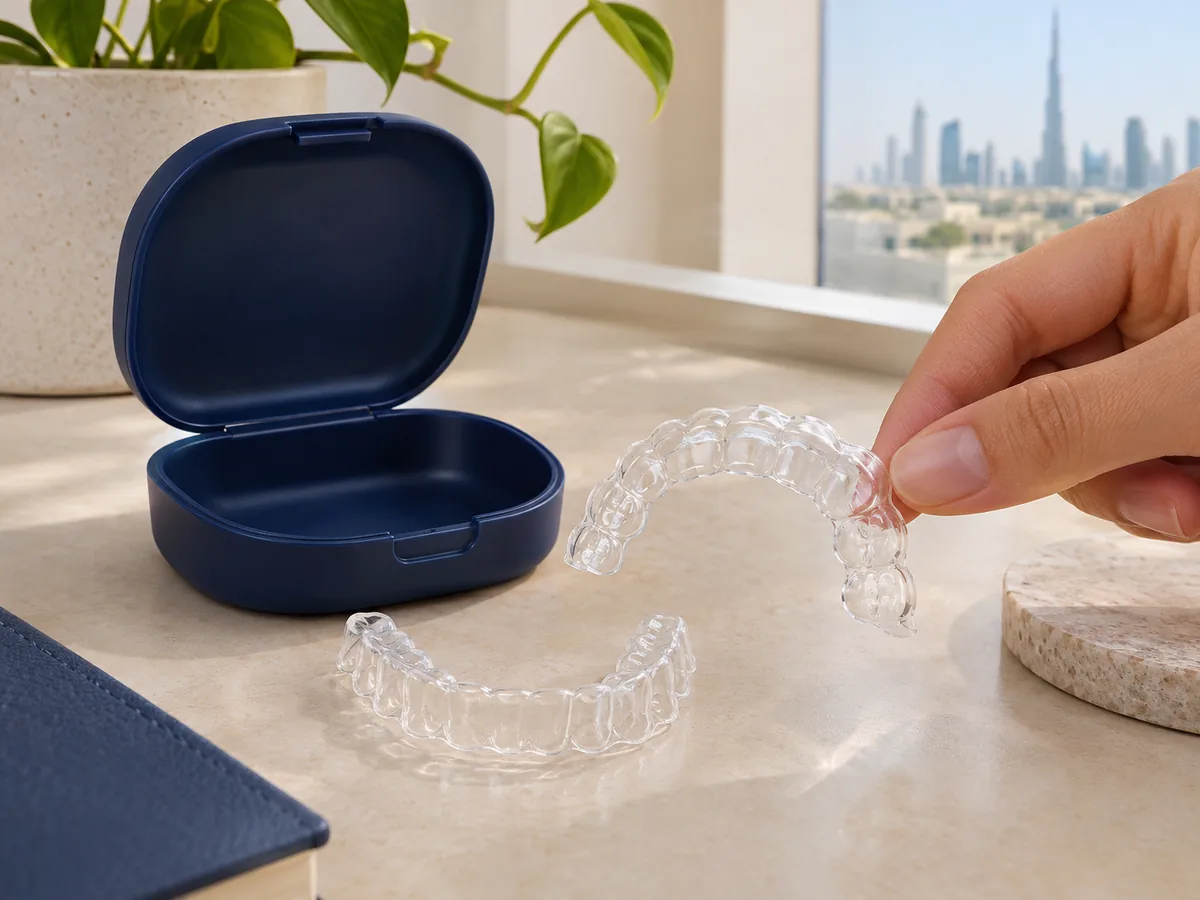
Retainers After Braces
Braces move teeth. Retainers help hold them.
After treatment, teeth can shift due to growth, habits, bite forces and natural aging. Retention planning is essential to protect the result.
Retention may include:
removable retainers
fixed bonded retainers in selected cases
long-term wear instructions
follow-up reviews
Retention is part of treatment, not an optional extra.
Why Choose Dr. Sree for Braces in Dubai?
Dr. Sree is a Specialist Orthodontist with clinical experience in orthodontic treatment since 2010.
Read the full explanation
His braces planning focuses on:
accurate diagnosis, facial balance, bite correction, root control, teen growth timing, complex case management, realistic expectations, long-term retention
The treatment goal is not simply straighter teeth. It is a stable, functional and natural-looking smile.
Your questions
Clear answers to your questions.
Are braces still a good option?
PATIENT INFORMATION
Frequently Asked Questions
Yes. Braces remain one of the most reliable orthodontic options, especially for complex tooth movement, bite correction and root control.
Are metal braces or ceramic braces better?
Both can work well. Metal braces are strong and efficient. Ceramic braces are more discreet. The best option depends on the case and patient preference.
Can braces fix bite problems?
Yes. Braces can help correct deep bite, overjet, crossbite, open bite and other bite problems depending on diagnosis and severity.
Can adults get braces?
Yes. Adults can benefit from braces, especially for relapse, crowding, bite correction or pre-restorative orthodontic planning.
Do braces hurt?
Teeth can feel tender for a few days after fitting or an adjustment, and brackets may irritate the lips or cheeks initially. Comfort advice and orthodontic wax can help. Contact Dr. Sree if pain persists or a bracket or wire breaks.
How long do braces take?
Many cases take 12–24 months, but treatment duration depends on complexity, bite correction needs, hygiene and attendance.
Will I need retainers after braces?
Yes. Retainers are needed after braces to help maintain the result and reduce relapse risk.
Can braces improve facial balance?
In selected cases, orthodontic planning can influence lip support, smile arc, bite relationship and facial profile. This depends on diagnosis and treatment goals.
Do you treat complex braces cases?
Yes. Dr. Sree evaluates complex braces cases including impacted teeth, deep bite, overjet, gummy smile, relapse, midline shift and difficult bite correction.
How do I choose the best braces doctor in Dubai?
To choose the best braces doctor in Dubai for your case, look for a Specialist Orthodontist who explains your diagnosis clearly, checks your teeth, bite, jaw relationship and facial profile, and gives realistic treatment options.
A good braces plan should consider more than straight teeth. It should include root position, bite correction, smile balance, gum limits and long-term retention.
The right braces doctor is the one who recommends treatment based on your clinical needs, not only the bracket type, price or speed.
What are the best braces in Dubai?
There is no single best braces type for every patient. Metal braces, ceramic braces and self-ligating braces can all work well when planned correctly. The best braces for you depend on your diagnosis, bite complexity, age, aesthetic preference and treatment goals.
Are braces better than clear aligners?
Neither option is best for every case. Braces may offer useful control for some difficult rotations, root movements, impacted teeth or bite corrections; aligners can also treat selected complex cases with appropriate planning, attachments, elastics and good wear time.
Do braces results last permanently?
Teeth can shift after braces if retainers are not used. Long-term stability depends on retention, bite balance, growth, habits and natural aging. Retainers should be planned before braces are removed.
Specialist options